By Panyd at English Wikipedia, CC BY-SA 3.0. As Amazon Associates, we earn from qualifying purchases through our Amazon links. See also The WM Review Shop.
Many people draw ‘red lines’, only to redraw them when they’re crossed, or find ways to explain the crossing away.>
Is the Conciliar/Synodal Church the Catholic Church?
The question as to whether what came out of Vatican II was really the Catholic Church was asked very early on.>In 1968, before the Novus Ordo Mass was even introduced, the famous apologist Frank J. Sheed wrote a book entitled Is it the Same Church?
“The observance of Lent is the very badge of the Christian warfare. By it we prove ourselves not to be enemies of the cross of Christ. By it we avert the scourges of divine justice. By it we gain strength against the princes of darkness, for it shields us with heavenly help.
The rule of fasting and abstinence that Catholic should follow is a controverted question. Fr Ricossa explains why the law of the 1917 Code is still in force.>
Editors’ Notes
The following are translations of Fr Francesco Ricossa IMBC’s two articles on the current law of fasting, made with the permission of the Mater Boni Consilii Institute and their outstanding Sodalitium magazine.>In the first article, Fr Ricossa discusses the importance of fasting and abstinence, and sets out the universal law of the Church as it stood prior to Vatican II, and as enshrined in the Code of Canon Law (1917).
Fr Thomas Crean appeals to the visibility of the Church as a means of refuting those who posit an extended vacancy of the Holy See. But this treatment is radically insufficient.>
Fr Thomas Crean OP’s article
Fr Thomas Crean OP has contributed an article to Pelican+ on “The Perpetual Visibility of the Catholic Church Under the Pope.” >However, this article is about more than just the visibility of the Church: the doctrinal exposition is specifically ordered towards an attempted refutation of “sedevacantism” – that is, the thesis which holds that the Holy See has been vacant since some time between 1958 and 1965.
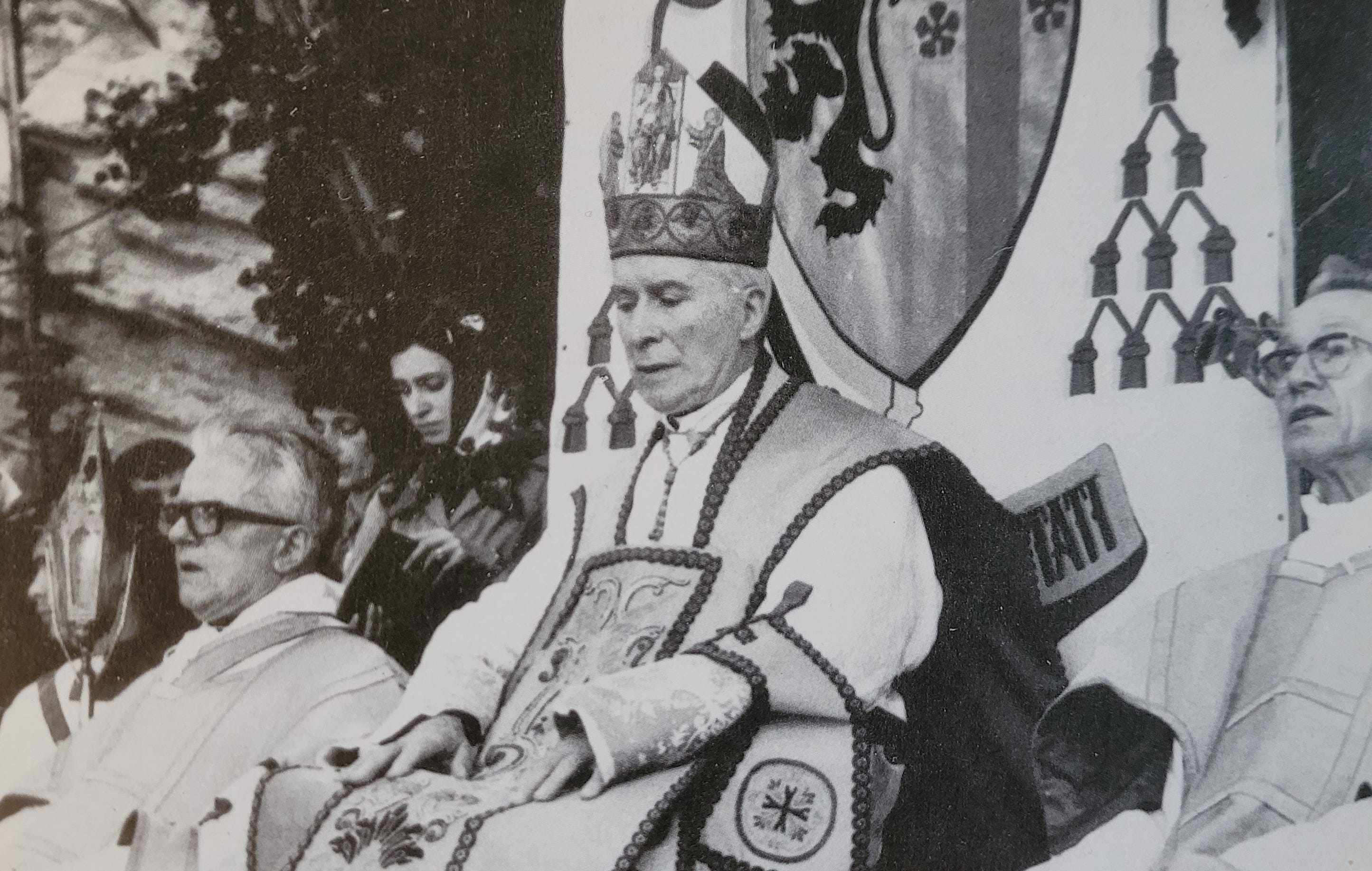
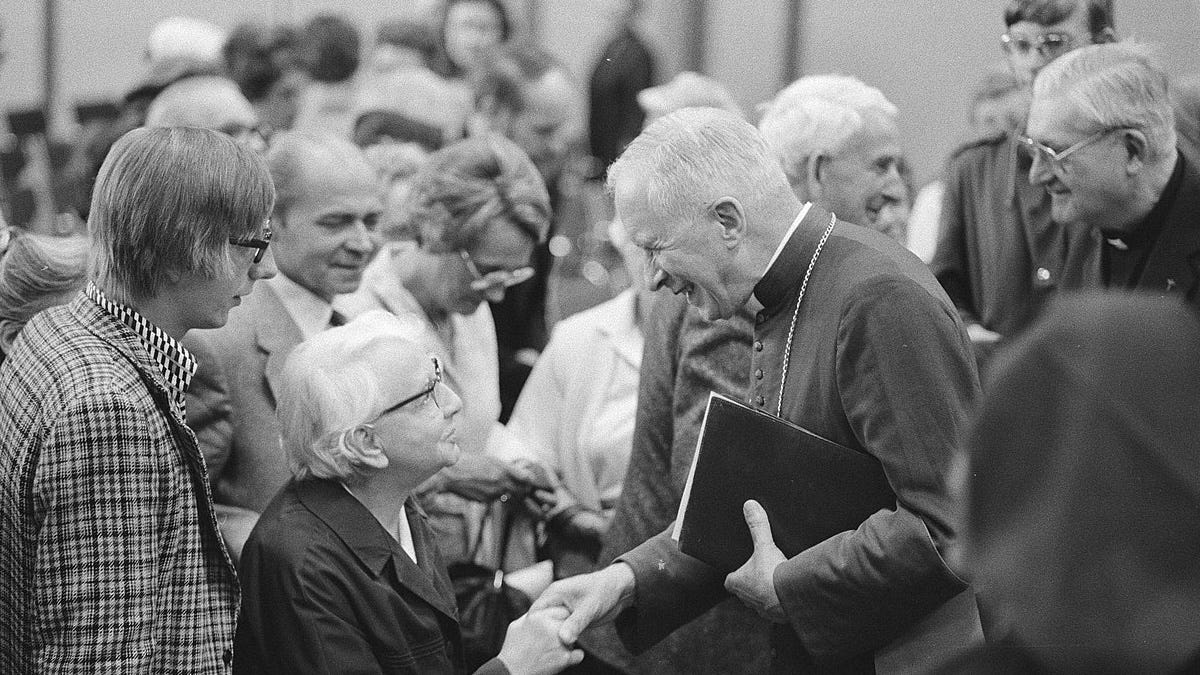
Archival photo from around the time of the suspension (fair use). As Amazon Associates, we earn from qualifying purchases through our Amazon links. See also The WM Review Shop.
Following his 1976 ordination of seminarians against Vatican prohibitions, Archbishop Marcel Lefebvre was declared ‘suspended a divinis.’ Here is his response:>
Editors’ Notes
The following text is a translation of Archbishop Marcel Lefebvre’s reflections following his 1976 suspension a divinis.>This is part of our wider examination of Lefebvre’s comments in the post-conciliar period. This study has become even more relevant since the 2 February 2026 announcement of further episcopal consecrations, to take place in July 2026. The responses to this announcement – both those positive and negative – have generally betrayed a serious lack of awareness of what Archbishop Lefebvre said and did following Vatican II.
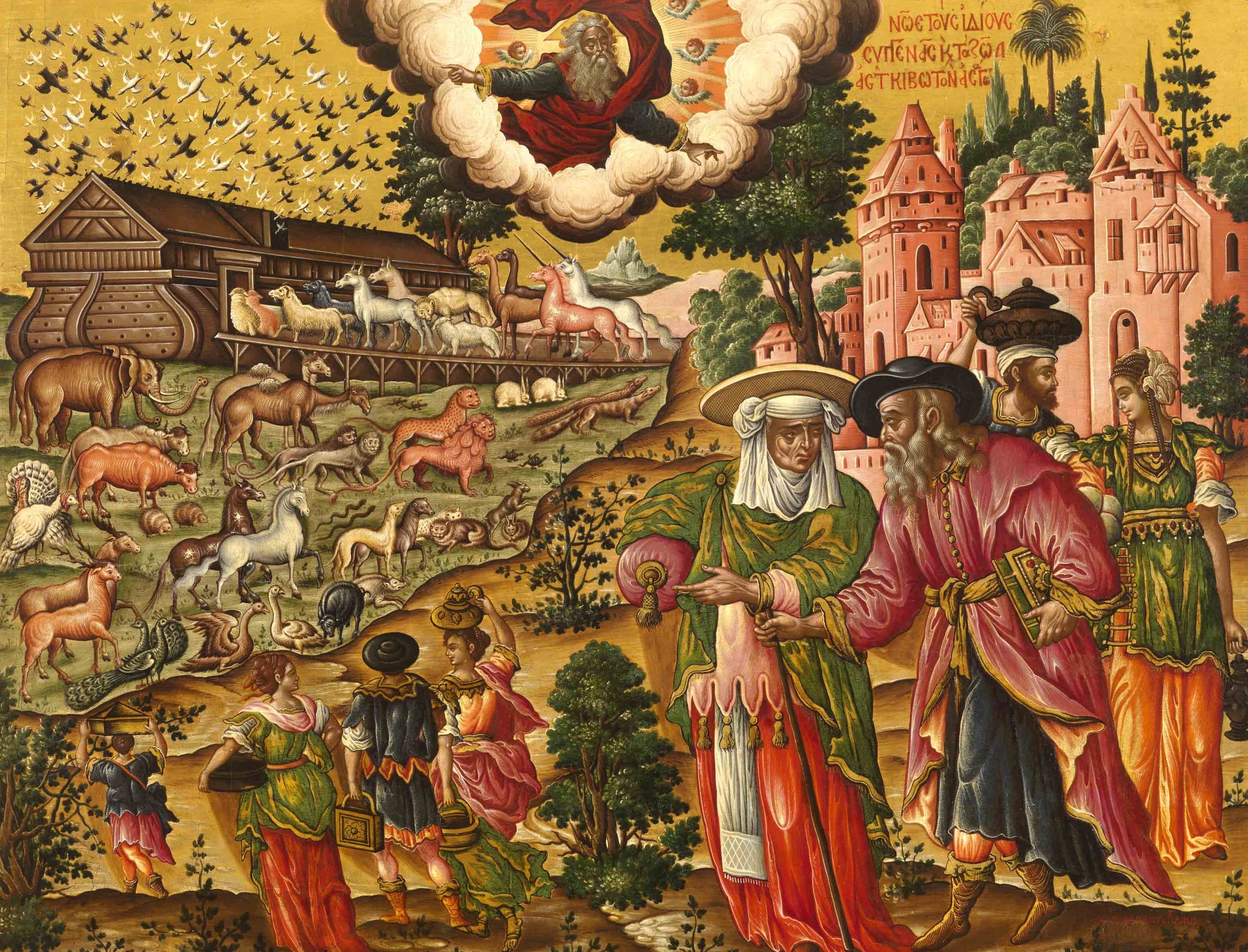
By Theodore Poulakis, Public Domain. As Amazon Associates, we earn from qualifying purchases through our Amazon links. See also The WM Review Shop.
Noah’s Ark is an image of the Church – even during this terrible crisis.>
Sexagesima Sunday and being preserved from the chastisement
In previous articles on the season of Septuagesima (or “Gesimatide”), we considered the purpose of this pre-Lent period, as well as its meaning.>Several liturgical commentators suggest that Septuagesima (rather than Advent) marks the beginning of the new liturgical year.1 The liturgical texts mark a sharp contrast with the Sundays after Epiphany – turning from a sense of having entered into the eternal Kingdom of God, to being lost in the wilderness of sin. When this is set in light of the Church beginning to read the Book of Genesis at Matins, Septuagesima evokes the state of fallen man prior to the Redemption of Christ.
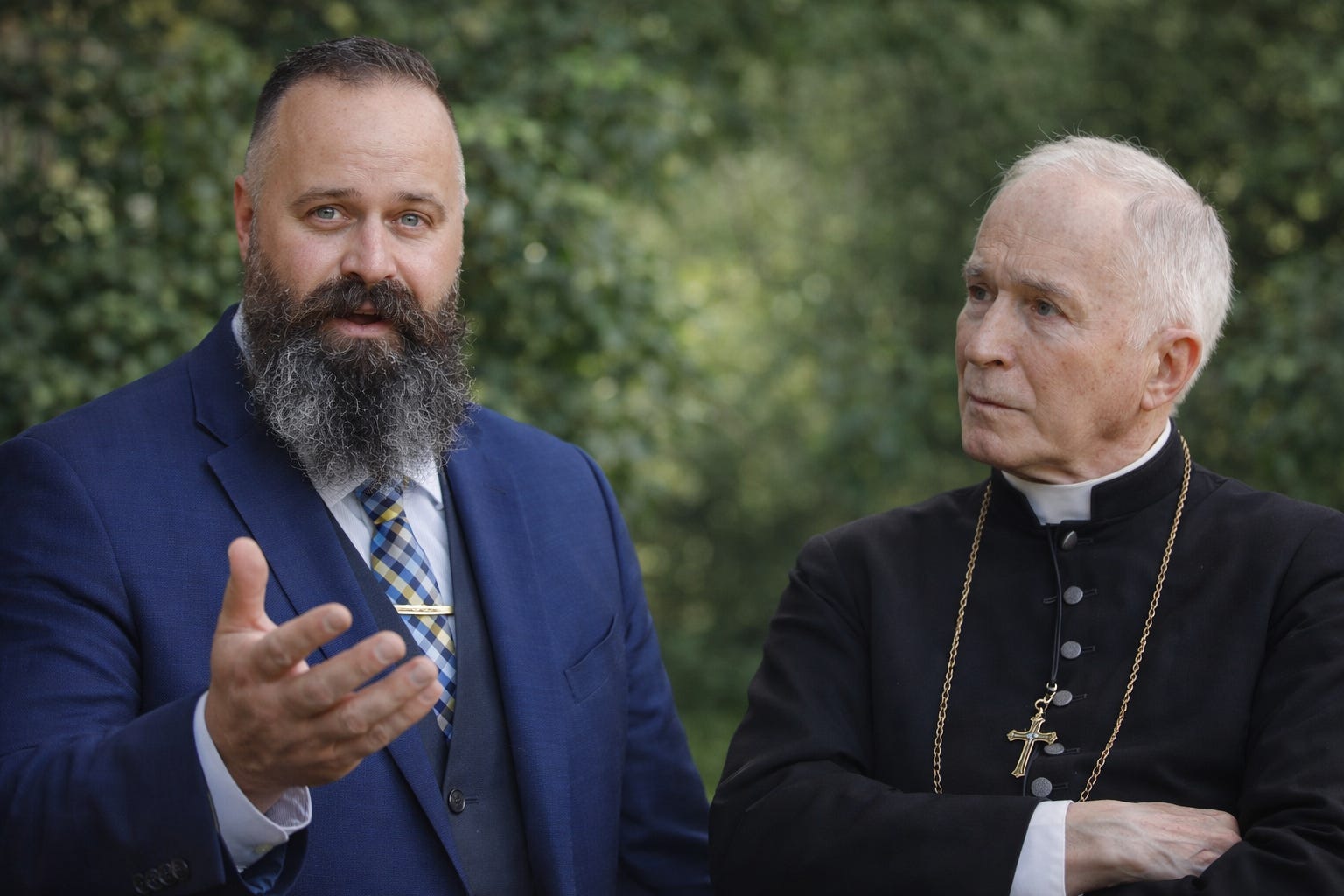
As Amazon Associates, we earn from qualifying purchases through our Amazon links. See also The WM Review Shop.
The nature of video shorts and tweets is that they don’t give the whole picture. But sometimes the partial picture they give can be positively misleading.>
Reactions to the SSPX’s announcement
There are certainly no shortage of opinions expressed about the announcement that the SSPX intends to consecrate bishops in July. In the last few days, articles and video roundtables have multiplied, and show no sign of stopping. >Many views expressed are extremely wanting; however, they have provided opportunities to make some necessary points. For example:
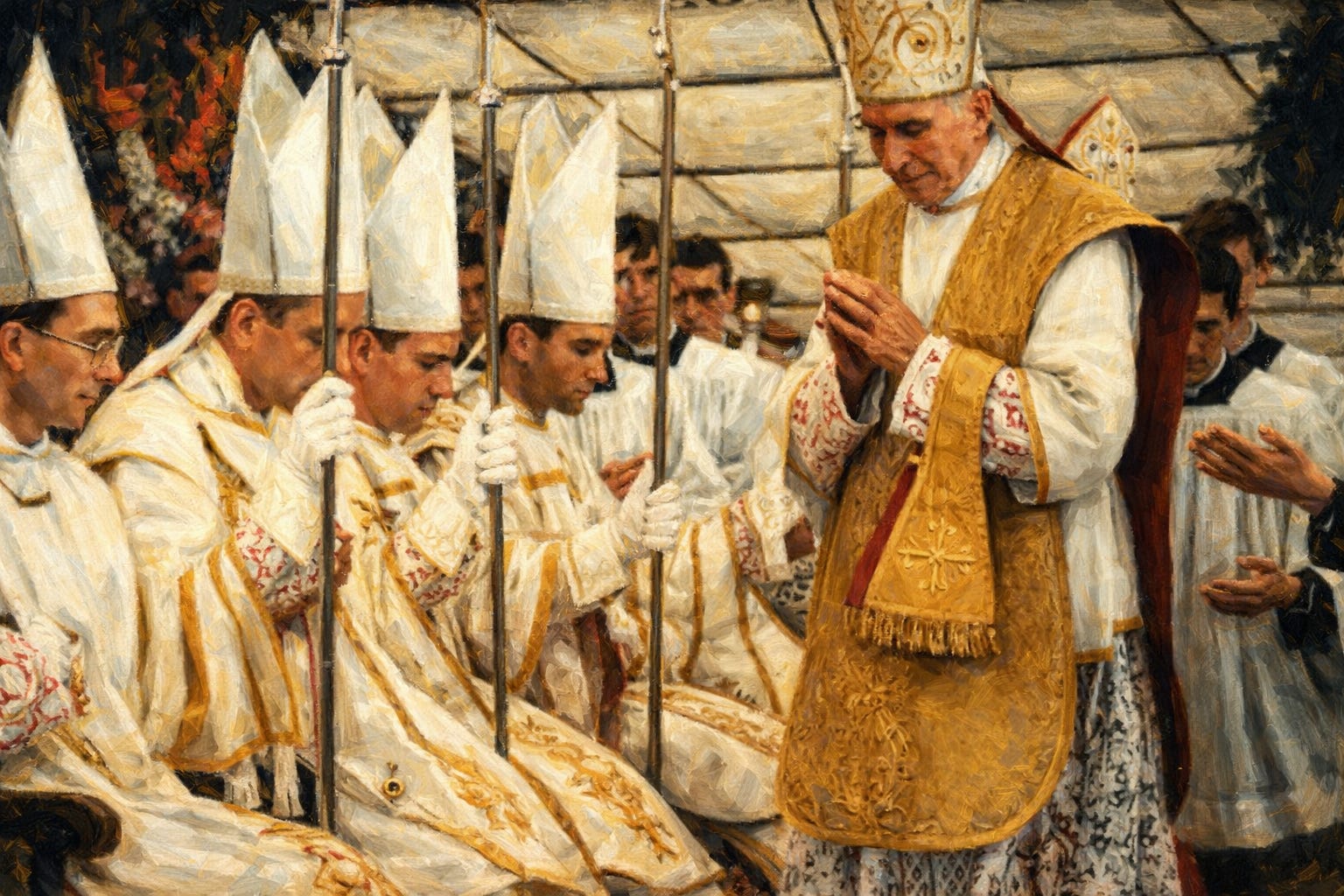
As Amazon Associates, we earn from qualifying purchases through our Amazon links. See also The WM Review Shop.
What instructions did Archbishop Marcel Lefebvre give to the four men he had chosen to consecrate to the episcopate in 1988? Some might find them surprising.>
Editors’ Notes
Following the Society of St Pius X’s announcement of episcopal consecrations to take place in July 2026, it is natural to consider similarities and differences with those of 1988.>One place to begin this consideration is the letter which Archbishop Marcel Lefebvre wrote to Frs Williamson, Tissier de Mallerais, Fellay and de Galarreta in 1987.
The SSPX has announced that they will be consecrating bishops 1 July 2026, apparently without pontifical mandate, following Archbishop Lefebvre’s ‘Operation Survival’ in 1988 and another in 1991.>
Following the death of Bishop Bernard Tissier de Mallerais in 2024 (and also Bishop Richard Williamson in 2025), the Society of St Pius X (SSPX) has announced that they will be following in his footsteps and consecrating bishops, apparently without the permission of Leo XIV, on 1 July 2026.>This will mark the second time – and not the first, as many think – that the Society of St Pius X’s bishops have conferred episcopal consecration since 1988 (more on this below).