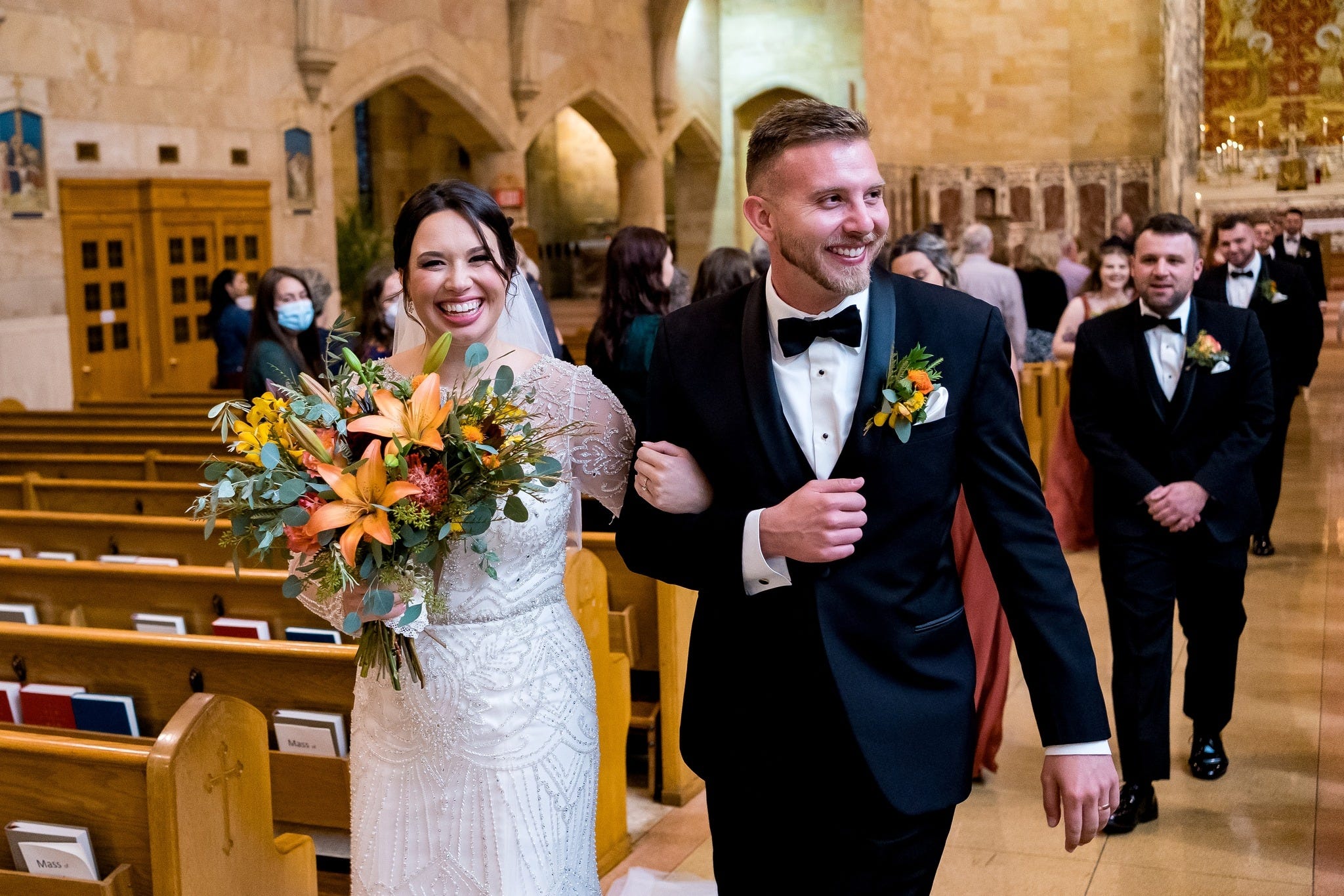
Marriage is not a comfort. It is a calling. It is the battlefield where a man learns to love as Christ loved — not with words, but with wounds.
Originally published in Catholic Manhood. Read original article
Marriage is not a comfort. It is a calling. It is the battlefield where a man learns to love as Christ loved — not with words, but with wounds.
Originally published in Catholic Manhood. Read original article
>
Men, a boy dresses for comfort. A man dresses for duty.>There was a time when a man’s clothing announced his character to the world. In Rome, a young man left boyhood behind when he donned the toga virilis — the plain white toga of manhood. Before this, he wore the toga praetexta, edged in purple, a visible sign of youth, dependence, and immaturity. The moment he put on the white toga, the world knew: this boy is now a man.
Originally published in Catholic Manhood. Read original article
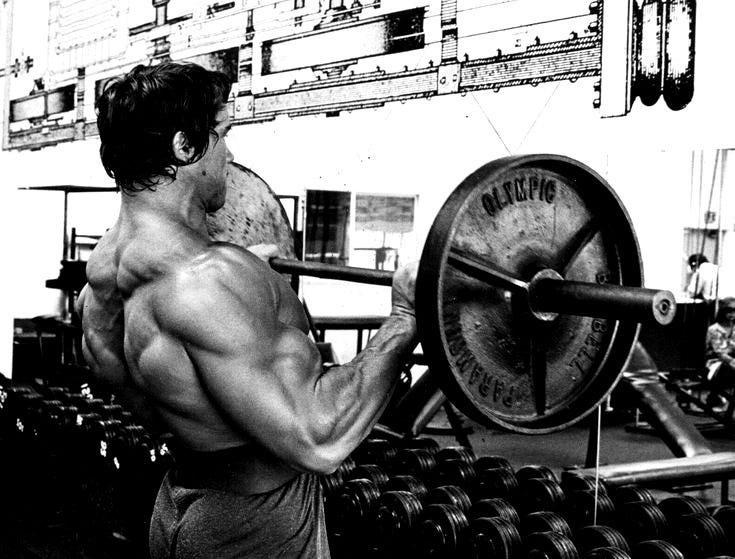
Men, every man knows the discipline of the body. He knows the burn of muscles, the ache of joints, the early-morning alarm that insists: get up. But most men stop at fitness for strength, aesthetics, or health alone. Few see it as a path to holiness.>Catholic manhood is built on the union of body and soul. St. Paul reminds us: “Every athlete exercises self-control in all things” (1 Cor 9:25). The Christian man disciplines the body not only to endure life, but to sanctify it, to protect his family, and to uphold his duty as a father and husband. Fitness can be penance. Fitness can be prayer. Fitness can forge virtue and courage.>This guide will show how.
Originally published in Catholic Manhood. Read original article
Men, there is a moment in every man’s life that decides everything. It is not measured in hours. It is not measured in days. It is measured in a single minute. A minute where the choice is clear: comfort or courage, selfishness or sacrifice, mediocrity or greatness.>St. Josemaría Escrivá called it the Heroic Minute. A brief instant when a man chooses to act not for applause, not for reward, but for God. It is a second when the soul takes over the body, and the man becomes more than he was.>
Hemingway wrote about courage in war, in fishing, in life itself. St. Josemaría wrote about courage in ordinary life — in the kitchen, at the office, in the quiet corner of a crowded room. One minute of heroic choice does not require a sword. It requires a man to stand up when it would be easier to sit down. To speak when it would be easier to stay silent. To forgive when anger screams louder.
Originally published in Catholic Manhood. Read original article
Men, there is a moment in every man’s life when the noise stops. When the mask he wears in the world falls away. When the lies he tells himself no longer hold. In that silence, he must look into the mirror and see what he has become. Most men turn away. Few stand and face the truth.>Confession is the forgotten weapon of men. It is not gentle. It is not comfortable. It is not modern. But it is true. And truth, as our Lord said, will set a man free.>
Every great man in Scripture was a man who faced his own sin. David, a warrior and king, fell into lust and murder, but when confronted, he did not excuse himself. He said simply: “I have sinned against the Lord.” Peter wept after denying Christ, not once but three times. These men were not made holy by success, but by repentance.
Originally published in Catholic Manhood. Read original article
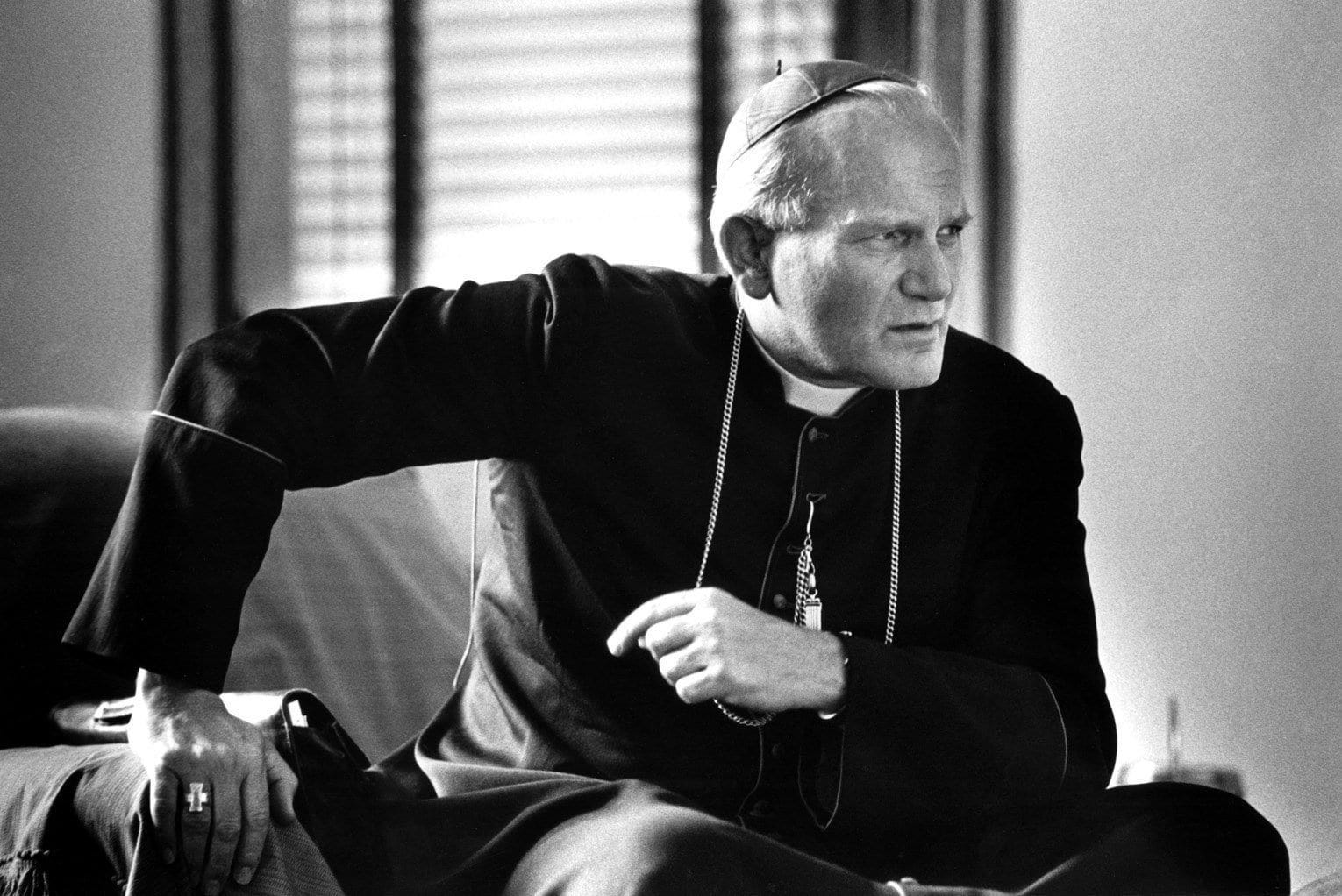
It was October 22, 1978.>A man stepped out onto the balcony of St. Peter’s and looked over a restless world.>He was Polish. He had known war, loss, and the cold silence of oppression.
Originally published in Catholic Manhood. Read original article
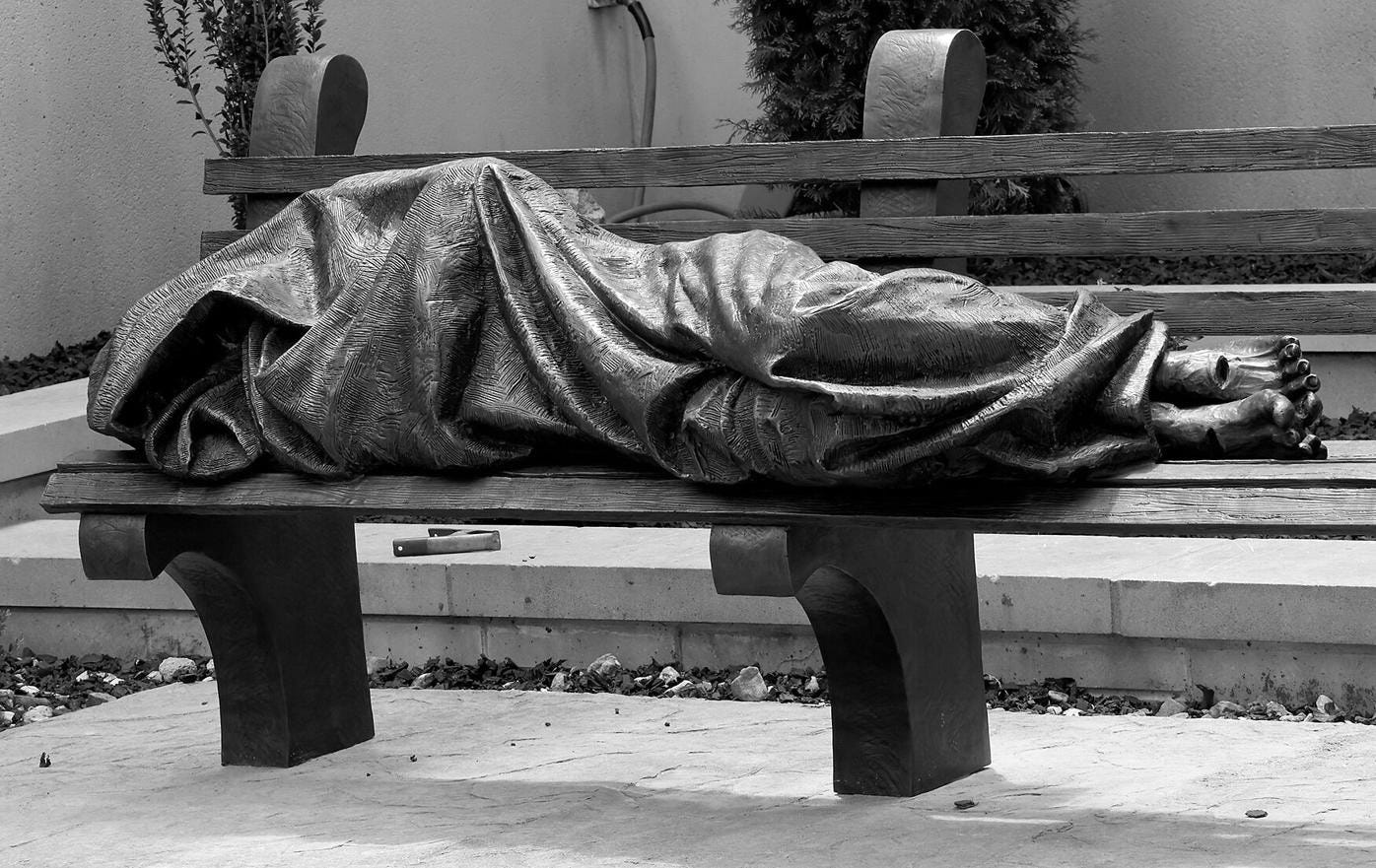
Men,>Christ was poor. That is where we begin. He was born in a stable and died naked on a cross. Between those two points He had no place to lay His head. If you want to know what strength looks like, look there.>A man spends his life trying to make something of himself. He works, he saves, he provides. He builds a home and guards it. That is good. But a man must be careful. The things he owns can begin to own him.
Originally published in Catholic Manhood. Read original article
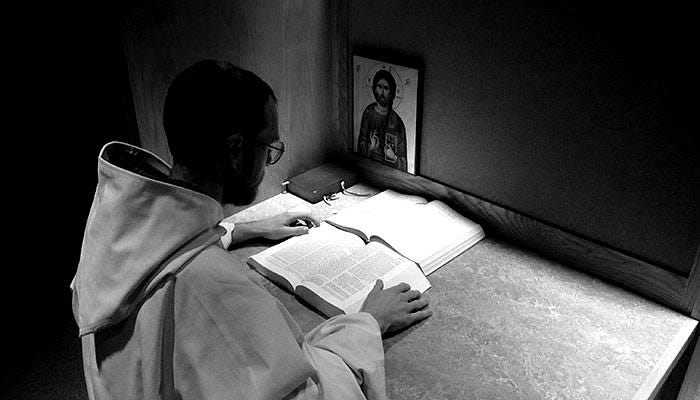
>Men,>A man reads. He reads the Scriptures. He does not rush. He does not think he knows. He listens. This is Lectio Divina. It is old. It is quiet. It comes from monks in the hills. They knew the world was loud. They knew men needed to listen.
Originally published in Catholic Manhood. Read original article
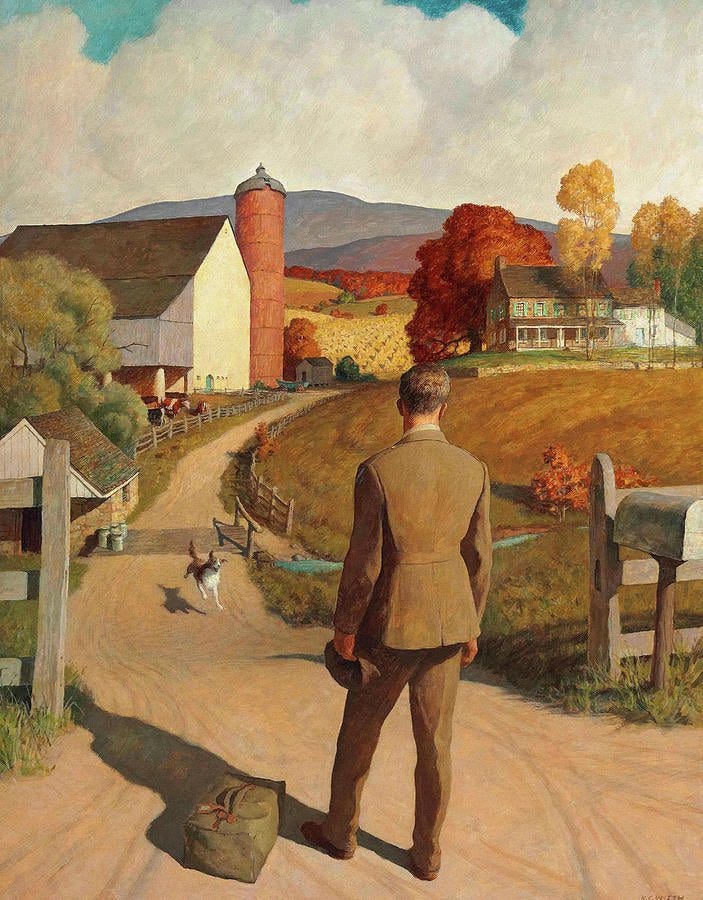
As Catholic men, husbands, and fathers, we often feel the weight of responsibility for our families, our parishes, and our nation. In this essay, I reflect on what it means to defend the American homeland — not as an abstract idea or a marketplace, but as a nation rooted in faith, virtue, and the gifts of Providence.>I write as a father who wishes to hand down to his children not only the physical land of America, but the culture, faith, and moral order that make it worth defending. This reflection draws upon the wisdom of the Founding Fathers, the guidance of Church teaching, and the insights of thinkers like Russell Kirk, who remind us that freedom requires virtue, and virtue requires faith.>
“For where your treasure is, there also will your heart be.” — Matthew 6:21
Originally published in Catholic Manhood. Read original article
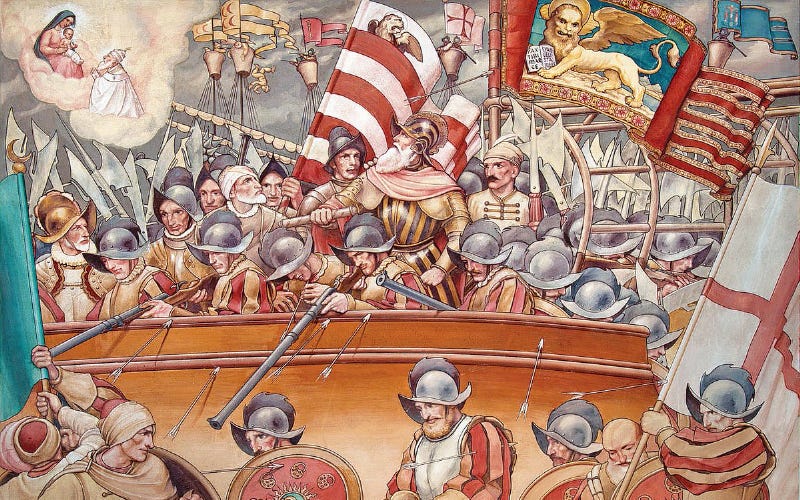
October 7 marks one of the most glorious and decisive feasts in the Catholic calendar—Our Lady of the Rosary. Established by Pope St. Pius V in 1571, the feast commemorates the miraculous victory of the Christian fleet over the Ottoman Turks at the Battle of Lepanto, a triumph attributed not to military might, but to the intercession of the Blessed Virgin Mary through the Holy Rosary.>This feast is not a quaint historical observance; it is a call to arms for Catholic men today—to reclaim the discipline of prayer, the courage of faith, and the conviction that the Rosary is a weapon of war.>
In the autumn of 1571, Christian Europe teetered on the edge of annihilation. The Ottoman Empire, then the greatest military power on earth, sought to crush Christendom and extend the Crescent over the Cross. After centuries of encroachment—Constantinople having fallen a century before—it seemed that the last bulwarks of Christian civilization might crumble.
Originally published in Catholic Manhood. Read original article