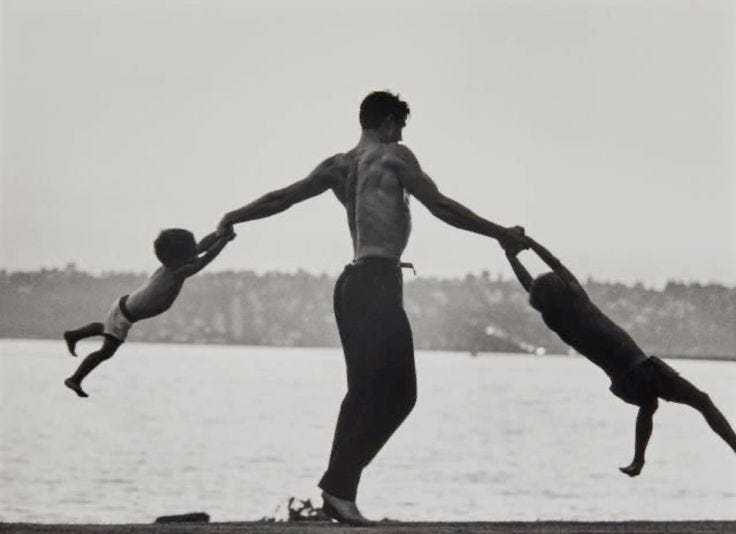
Men, there is a kind of man who is always moving.>He has plans. Messages to answer. Opinions to give. He is tired at the end of the day. He mistakes the sweat on his brow for progress.
Originally published in Catholic Manhood. Read original article

Men, there is a kind of man who is always moving.>He has plans. Messages to answer. Opinions to give. He is tired at the end of the day. He mistakes the sweat on his brow for progress.
Originally published in Catholic Manhood. Read original article
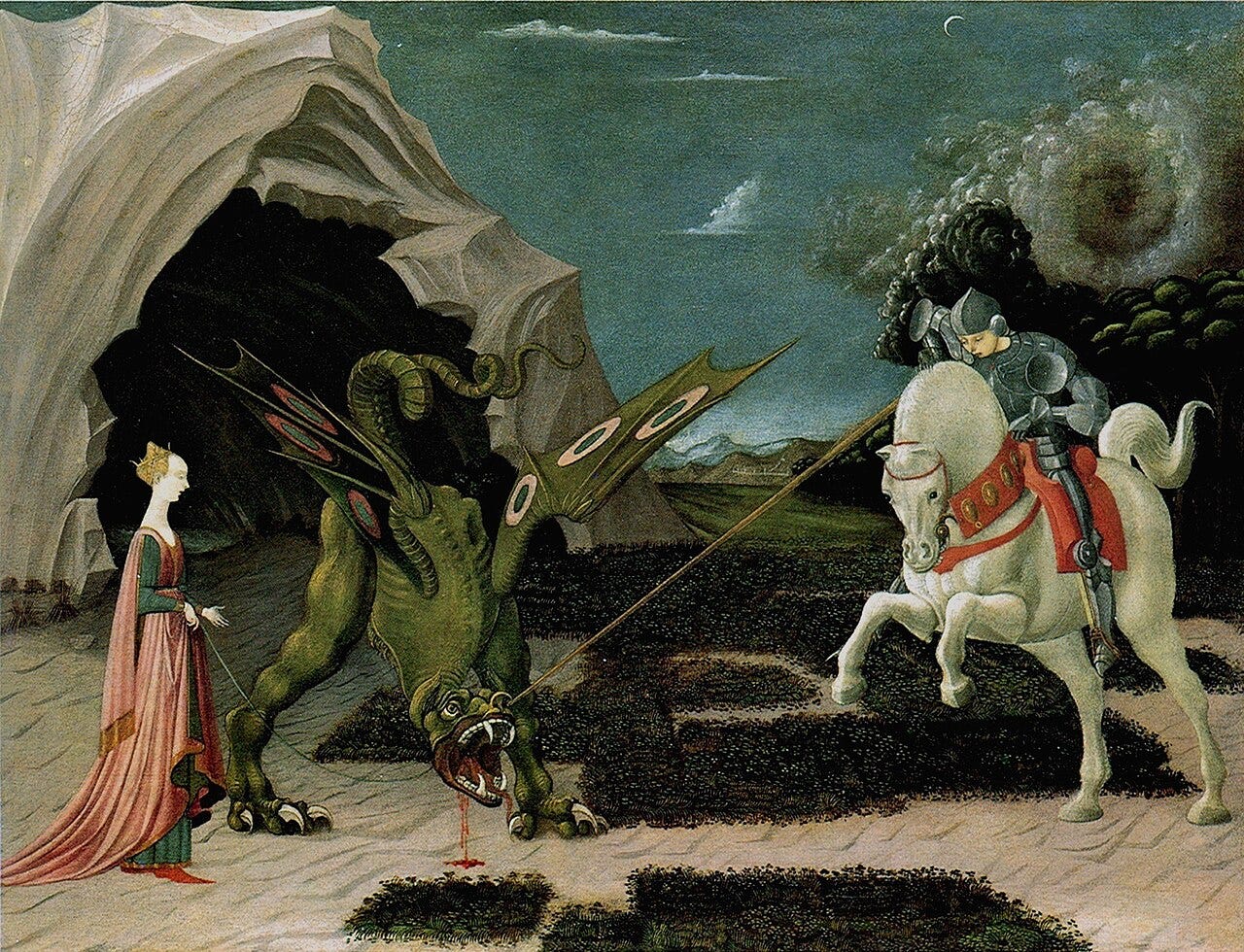
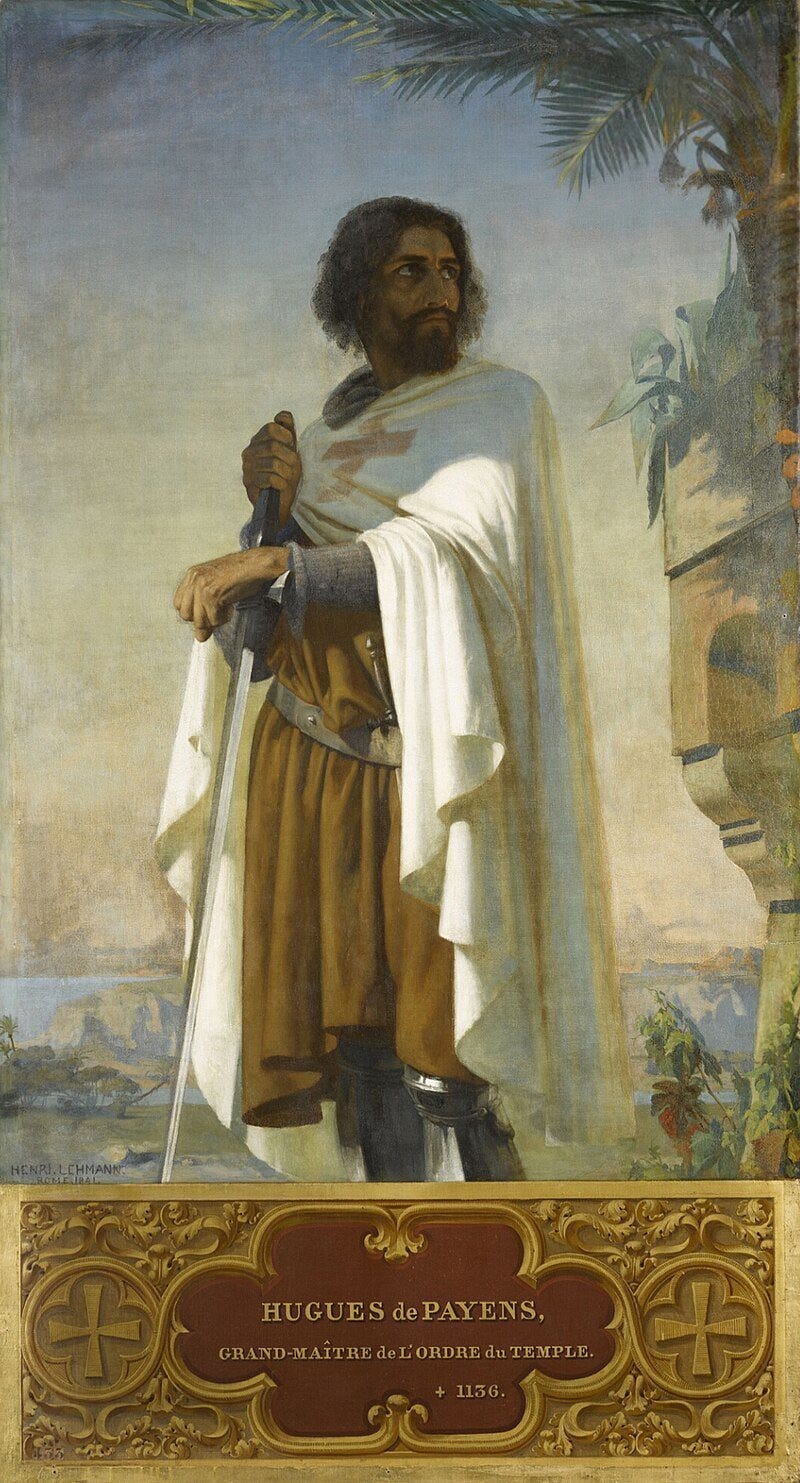
In an age when Christendom bled at its borders and faith was defended not by words alone but by steel and sacrifice, one man stepped forward to answer a question that still confronts Catholic men today.>What does it mean to give your entire life to God without reserve? That man was Hugh de Payens, the first Grand Master of the Knights Templar.>He was not a king. He was not a bishop. He did not found an empire.
Originally published in Catholic Manhood. Read original article
>
Men, many of us think of prayer as something that happens quietly in the head.>A thought.
Originally published in Catholic Manhood. Read original article
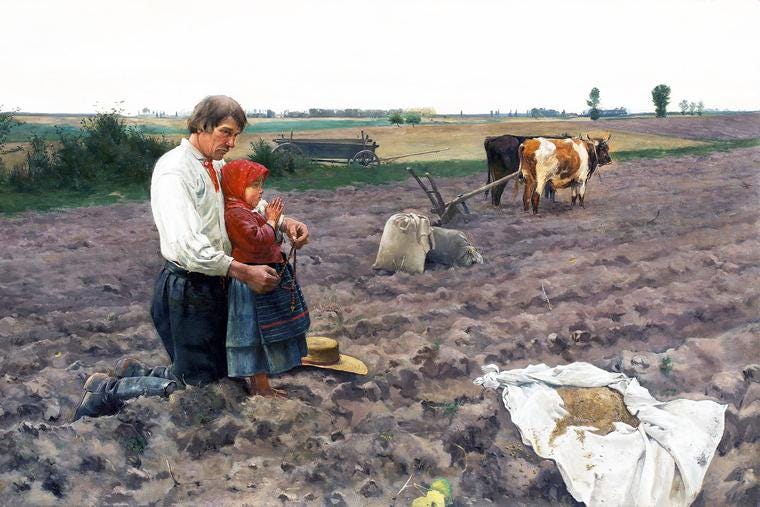
Men, there’s a particular kind of man you notice when you travel through Europe. He moves through a piazza in Rome or a café in Vienna with an ease that seems almost lost to our generation. His clothes fit properly. His manners are not performative. He knows the difference between a good espresso and a great one, and he knows why it matters.>My friend Evan Amato has dedicated himself to recovering what made men like this and more importantly, teaching the rest of us how to become them. His publication, Letters from the Old World, is a masterclass in what we’ve lost and how to reclaim it.>
The modern world has sold us a false bargain. We traded craftsmanship for convenience, beauty for efficiency, and substance for speed. Walk into any mall and you’ll find synthetic fabrics masquerading as clothing, mass-produced trash marketed as style, and a general flattening of taste that would make our grandfathers weep.
Originally published in Catholic Manhood. Read original article
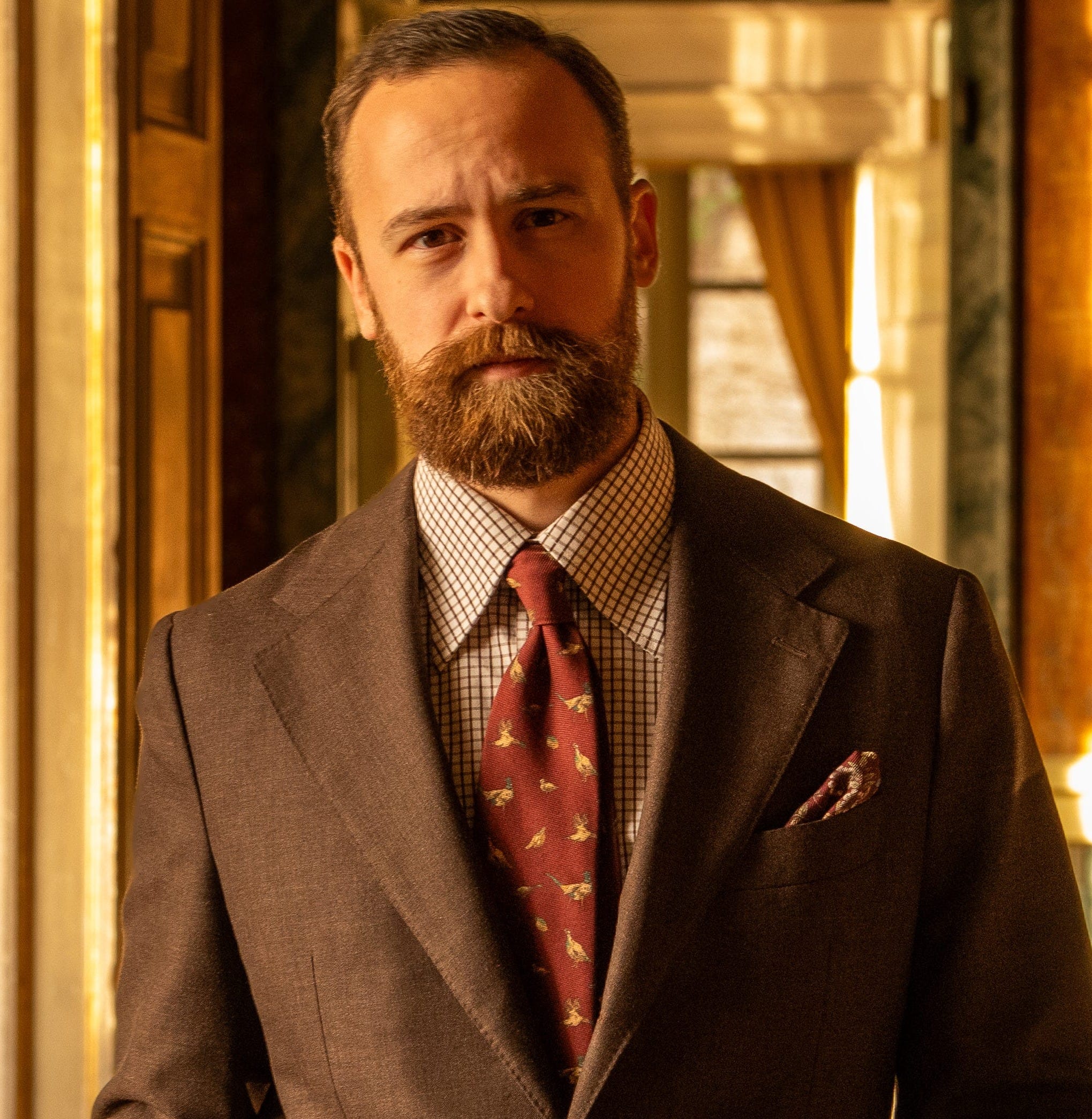
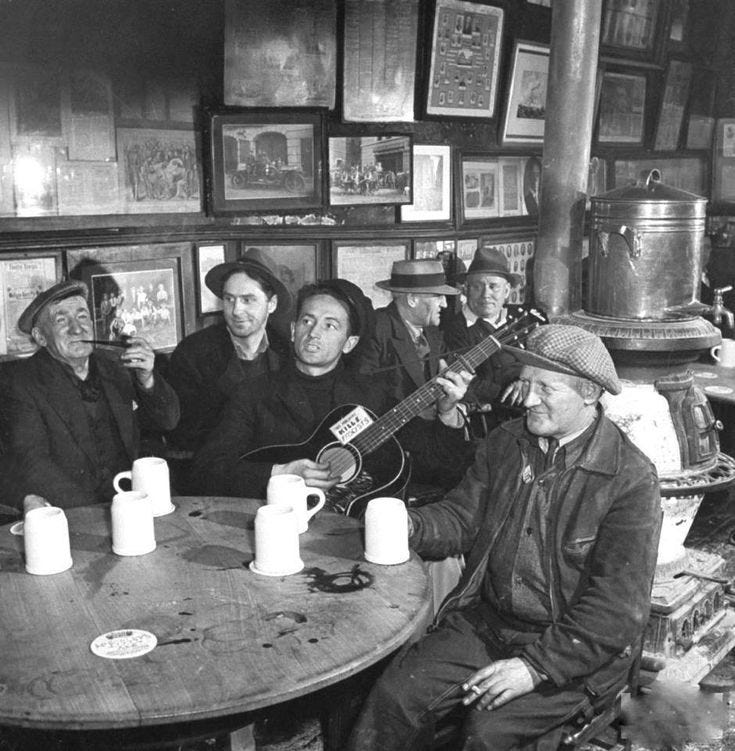
Men, many of us can count ourselves lucky to have friends. How much of a grace is it to count another human being as one of your companions in life? I aim to write on what is called virtuous friendship. This is not to take away value from family members or spousal relationships. However my main focus is to consider what virtuous friendship truly is; what it looks like in theory and in practice. To go in depth, we will tap the intellect of Aristotle and St. Thomas Aquinas about the subject, thoughts on different kinds of friendship and how they fit in with being a virtuous, Catholic man.>Let us first begin with what Aristotle understood as friendship. The legendary philosopher broke down friendship into three categories; Friendships of Pleasure, Friendships of Utility, and, most importantly Friendships of Virtue. Off the top of your head, you could probably identify and categorize your friends just by these titles alone.>
Friends in this category are simply people whose company we enjoy. A good example of friendships of pleasure are your casual “drinking buddies”. Whether this type of friendship hinders or helps us in our life, the relationship itself is predicated on the simple fact that they are fun to be around. It is important to point out that friendships built on pleasure and passion also have shallowness to them. Aristotle claimed that they would not last forever because of this aspect.
Originally published in Catholic Manhood. Read original article
“Be Firm. Be Virile. Be a Man. And Then….Be A Saint” – St. Josemaria Escriva>
Men, the very essence of Catholic Manliness needs to be addressed. How can one aspire to be the epitome of a good, catholic man, without someone first clearly defining just what that looks like? Catholic Manhood is here to do that. We will properly define manliness through an authentically Catholic lens. Let us begin with what manhood is NOT.>It is not based on how many beers you can get down your gullet. It is not based on how many women you “court” at the same time. It is not based on how much you know about football and it is definitely not measured by how high your truck is lifted. We live in the era of the man-child. It is depicted on goofy sitcoms and Barstool Sports. The stereotype of the dumb, messy guy with a sharp, gorgeous, iron-fisted wife has run rampant through society. This is not ideal, nor does it have anything to do with what the marks of true manliness looks like. So what is manliness then if there is a deeper meaning to the word than football, beer and horsepower? Even further, what is Catholic manliness?
Originally published in Catholic Manhood. Read original article
Men, the family is not merely a social unit. It is a battlefield.>Any man who believes otherwise has not been paying attention. The modern Catholic household is under constant pressure; spiritual, psychological, and moral. These pressures do not usually arrive as dramatic evils. They arrive quietly, disguised as exhaustion, anxiety, discouragement, and fear. Left unchecked, these vices corrode a man’s interior life and weaken his leadership in the home. A Catholic husband and father must therefore think and act like a commander. He must know the enemy, understand his tactics, and deliberately cultivate the virtues that drive vice from the field.>As Liber Christo by Dan Schneider, PhD rightly demonstrates, spiritual combat is not fought with vague intentions, but with specific virtues, practiced habitually and enforced firmly. Below are five common vices afflicting families today and the virtues Catholic men must reclaim to defeat them.
Originally published in Catholic Manhood. Read original article
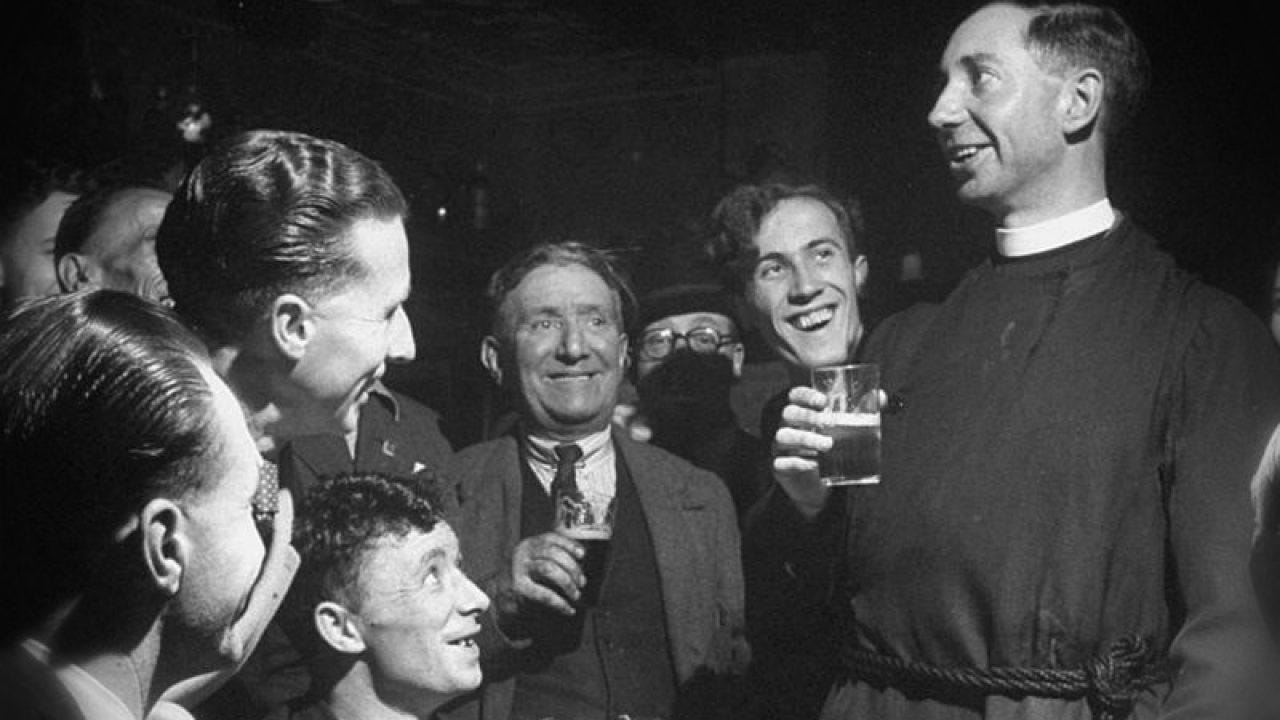
Men,>I am happy to wish you all a Happy New Year and to usher in the new times, I feel the need to rouse the troops and raise morale amongst us.>You have made it to another day. The last calendar year has quite literally been one for the books (however one could say that about any year). It is now 2026 in the year of Our Lord. Christ is BORN. Christ REIGNS.
Originally published in Catholic Manhood. Read original article
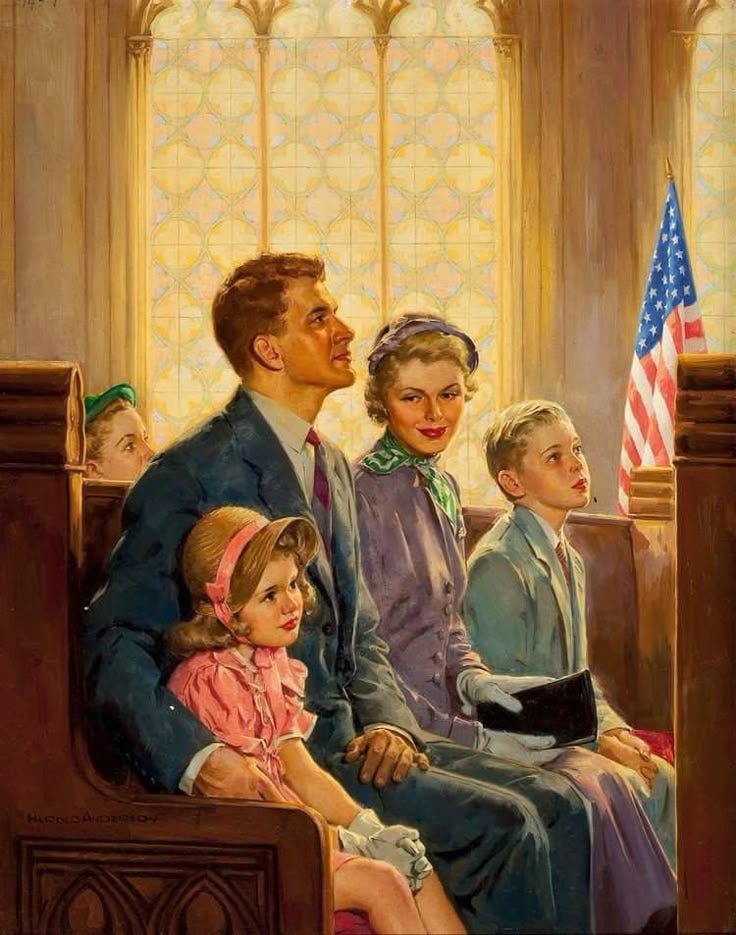
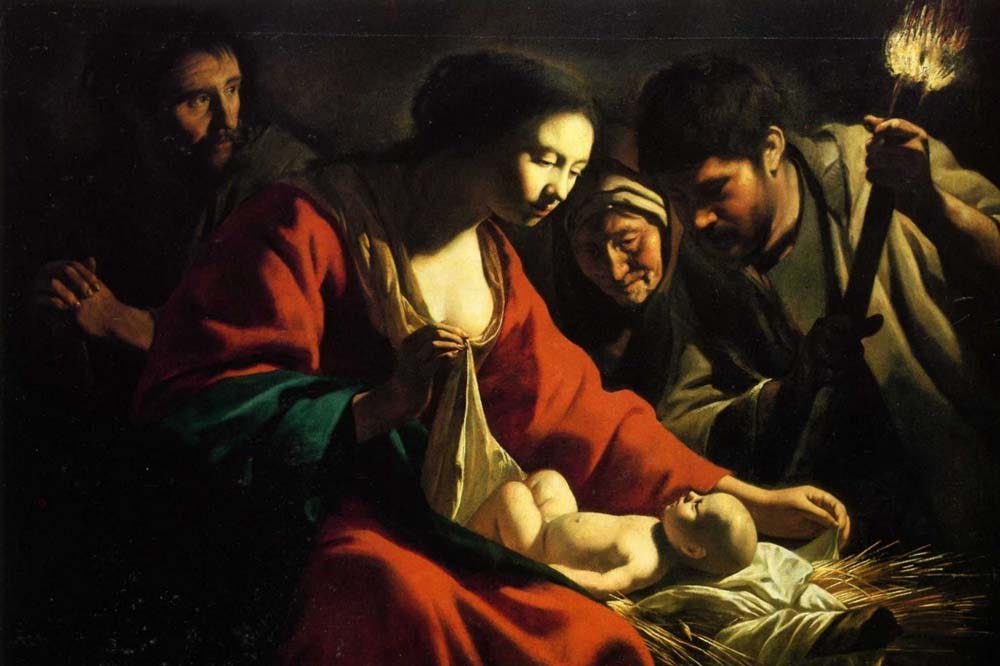
Men, Christmas celebrates not the beginning of the Incarnation, but its revelation. The eternal Word assumed human nature at the Annunciation, when the Son of God was conceived by the Holy Spirit in the womb of the Virgin Mary. At Christmas, that hidden mystery is brought forth into the world. What was accomplished in silence is now made visible in humility at the Nativity.>“The Word became flesh and dwelt among us” (John 1:14). This truth precedes the manger, yet it is at Bethlehem that the Church beholds the Incarnation with her eyes. The Nativity is the manifestation of a reality already accomplished: God has entered human history not symbolically, but bodily, permanently, and irrevocably.>This distinction is essential for the Catholic man. God does not merely appear among us; He commits Himself to our condition. He submits to time, place, family, and law. Christ is born not into abstraction, but into a household, under the authority of Saint Joseph and the care of the Blessed Virgin Mary. The Incarnation sanctifies human nature; the Nativity sanctifies ordinary life.
Originally published in Catholic Manhood. Read original article
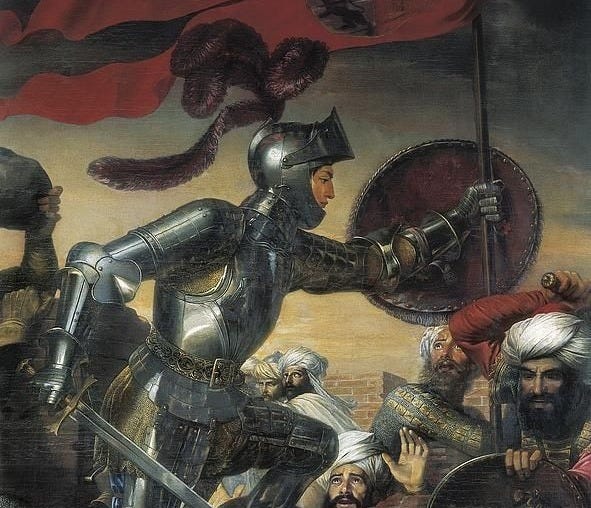
Men, we must raise the floor, not just chase the ceiling. Many men think about improvement the wrong way. We tend to focus on peaks, the intense workout phase, the spiritual retreat, the burst of discipline that lasts a few weeks before life presses back in. We chase motivation. We wait for the right season. They tell themselves they will get serious “once things slow down.” But real masculine formation doesn’t happen at the peak. It happens at the baseline.>Your baseline is what you do on an average Tuesday when no one is watching. It is the minimum you allow yourself to fall to when you are tired, busy, distracted, or discouraged. Over time, that floor becomes your life. For Catholic husbands and fathers, reestablishing the baseline is not optional. It is a duty.>
Most men don’t collapse overnight. They drift. Prayer becomes rushed, then skipped. Exercise becomes occasional, then nonexistent. Reading becomes scrolling. Sleep becomes shallow. Patience becomes thin. Nothing dramatic happens. You still show up. You still work. You still provide. On paper, you’re doing fine.
Originally published in Catholic Manhood. Read original article