We discussed Fr de Blignières’ call for a ‘traditionalist ordinariate’ with Stephen Kokx and Riaan from Radical Fidelity.>
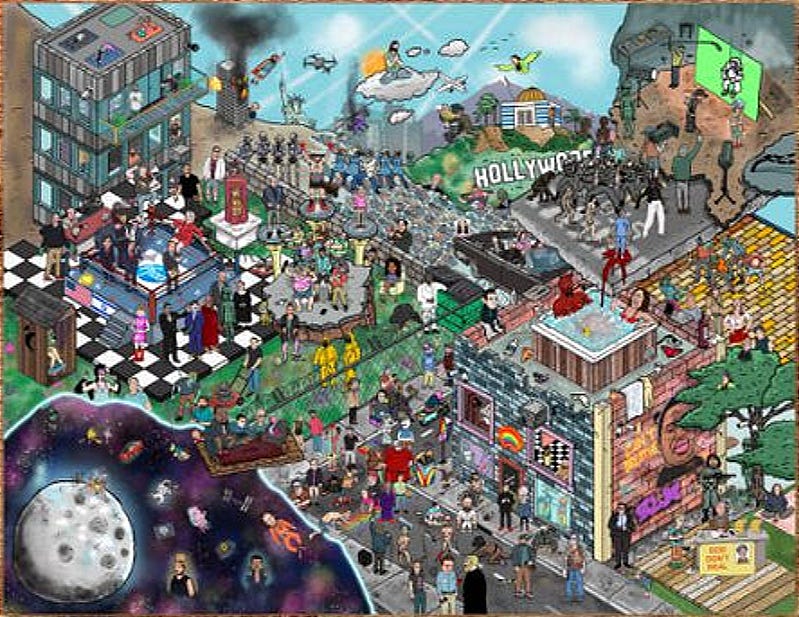
(WM Round-Up) – On Wednesday 7 May 2025, I appeared on ’s Church and State programmewith and Riaan from .>In case it isn’t obvious, I’m the logo in the middle. The gentleman on the right is Riaan.
Traditionalists are to be what Bishop Fellay once called ‘Dinosaurs’ in a ‘Zoo.’>
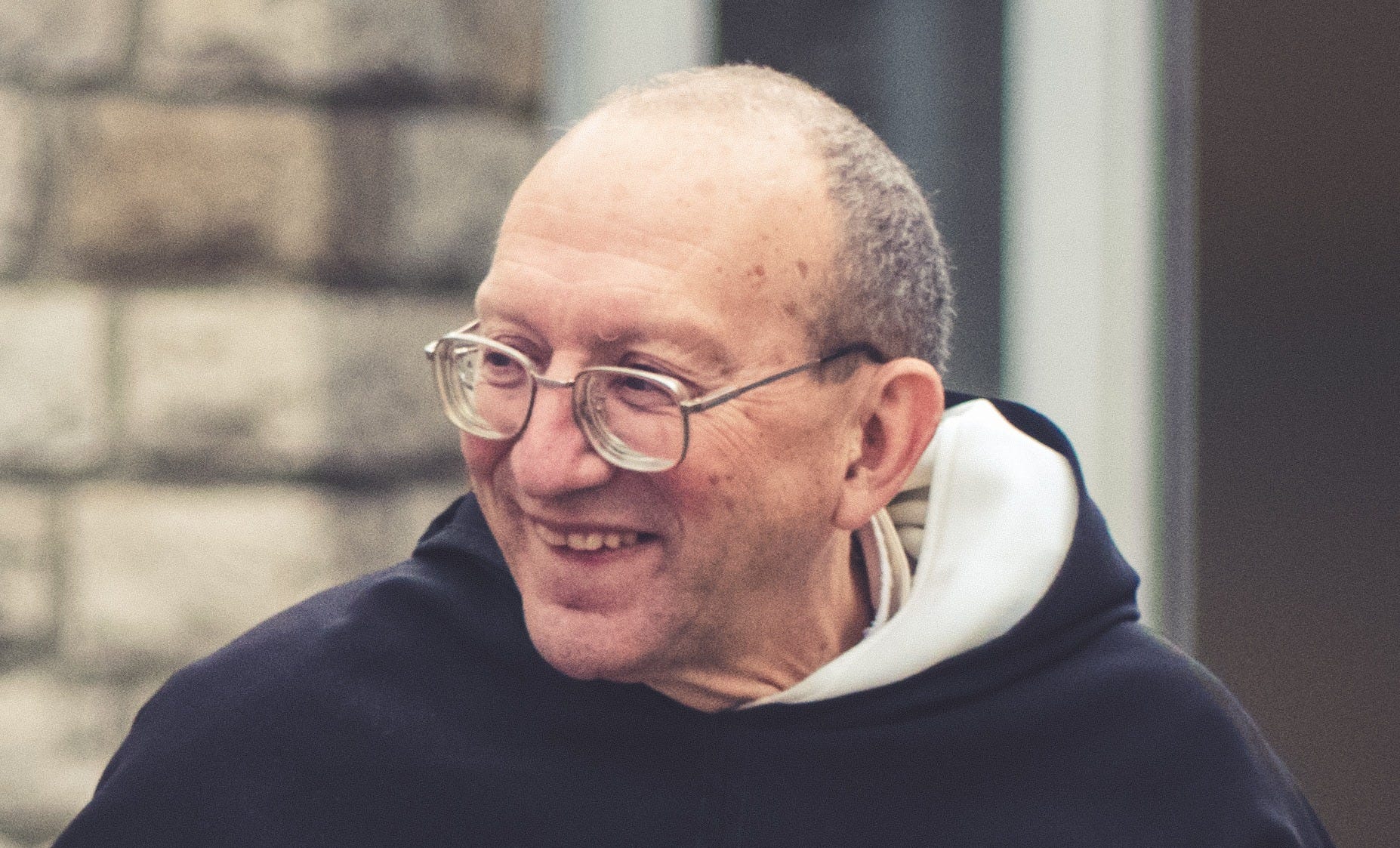
(WM Round-Up) – Veteran Vaticanist has just published an article and interview about a proposal for a “Traditioanlist Ordinariate” submitted to the “extraordinary consistory” of cardinals.>Father Louis-Marie de Blignières – the founder of the Fraternity of Saint Vincent Ferrer – sent this proposal in a letter dated December 24. Published in French and English, was mailed in hard copy to fifteen cardinals known for their interest in the issue of the traditional Roman liturgy, and emailed to one hundred others.
I interrupt my series on Pascendi today to bring you my speech on surrogacy from the Rome Life Forum last November. >I am doing this for one reason: if the truth were known about this business it would be stopped.>You can listen to me deliver my speech in full here:
In this series I aim to explain how and why the liberal democratic system is a death machine, secured by mass deception, and intentionally created to plunder your life of everything of value.>
WARNING
This post contains ideas. It will make you think. >If you would prefer not to, leave now.
Men,>I am happy to wish you all a Happy New Year and to usher in the new times, I feel the need to rouse the troops and raise morale amongst us.>You have made it to another day. The last calendar year has quite literally been one for the books (however one could say that about any year). It is now 2026 in the year of Our Lord. Christ is BORN. Christ REIGNS.
Pascendi unmasks the nature of false belief and its consequences.
THE TIMELESS WISDOM OF PASCENDI
In this series I hope to present examples from our times which illustrate the modernist errors described in Pascendi Dominici Gregis, the 1907 masterpiece of Pope St Pius X, transcribed as A Catechism of Modernism. >Part One warned of a new “One World Church” – a globalist religion absent Christ, centred on the human person. >
Part Two showed how Modernist Errors are now taught by the Modern Church:
“What the philosophers and theologians have to say, relevant to the matter in hand, can be given only in resumé. That man has the duty not only of individual but also of social worship, is elementary Catholic doctrine . . . even the state, qua state, not simply ‘society’ but the politically organized community, civil society as such, is bound to profess religion, the true religion; to worship God in the way He wills to be worshipped; and is so bound by the natural law.”>
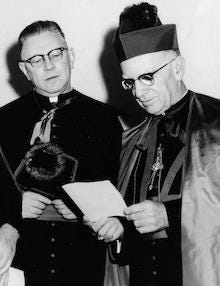
Monsignor George Shea, (1910-1990), rector (1961-1968), left; Most Reverend Thomas A. Boland (1896-1979), rector (1943-1947), Archbishop of Newark (1953-1974), right. | Source
>
Appreciating the Danger of American Liberalism
Before presenting the careful analysis of Fr. George Shea, later named a Monsignor, who is the focus of this essay, we must introduce the context and influence of the man whose ideas he was critiquing. The same man whose views on Church-state relations dominated the American church in the lead-up to the Second Vatican Council, none other than Fr. John Courtney Murray. A Jesuit theologian who, while in Italy in 1950, met with Msgr. Giovanni Battista Montini (later to become Paul VI) and found sympathy for his “orientations”, and whom Fr. Murray reported as wanting “his hand to be strengthened.”1
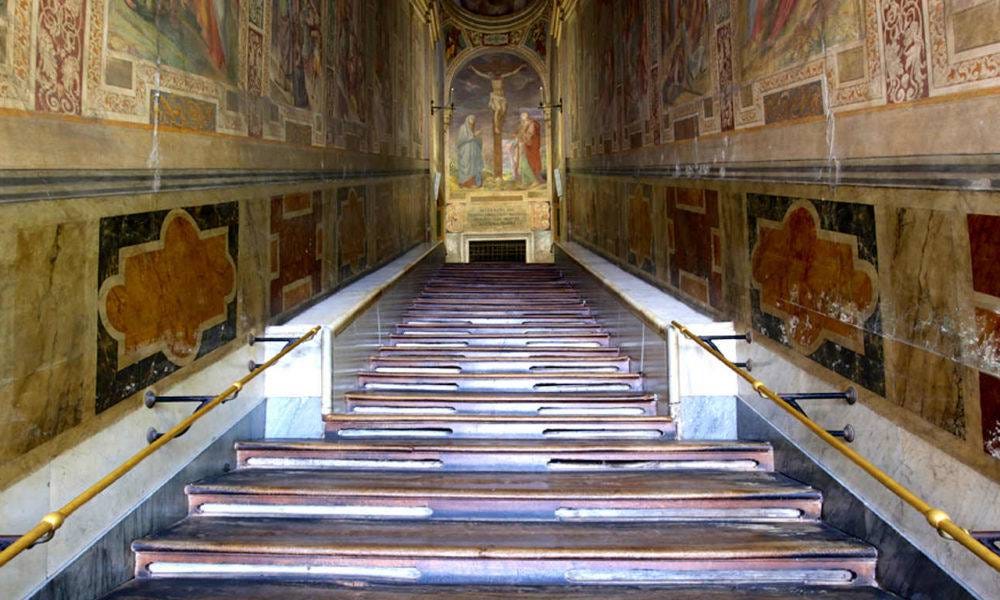
It being Christmas, here is a piece I wrote about what it meant to me to realise that Christ was a man, as I walked up the stairs he took to meet Pilate.>
This piece was first published by LifeSiteNews, Christmas Day 2025.
Thisyearhas been one of unintended revelation for me, as it has been for the staff, supporters, and readers of LifeSiteNews. In the summer, we saw a palace coup which failed to reputationally assassinate John Henry Westen. This unpleasantness also seems to have been an attempt on the life of LifeSite itself.>A beastly business whose fallout resulted in my presence onstage at a hastily reconvened Rome Life Forum.
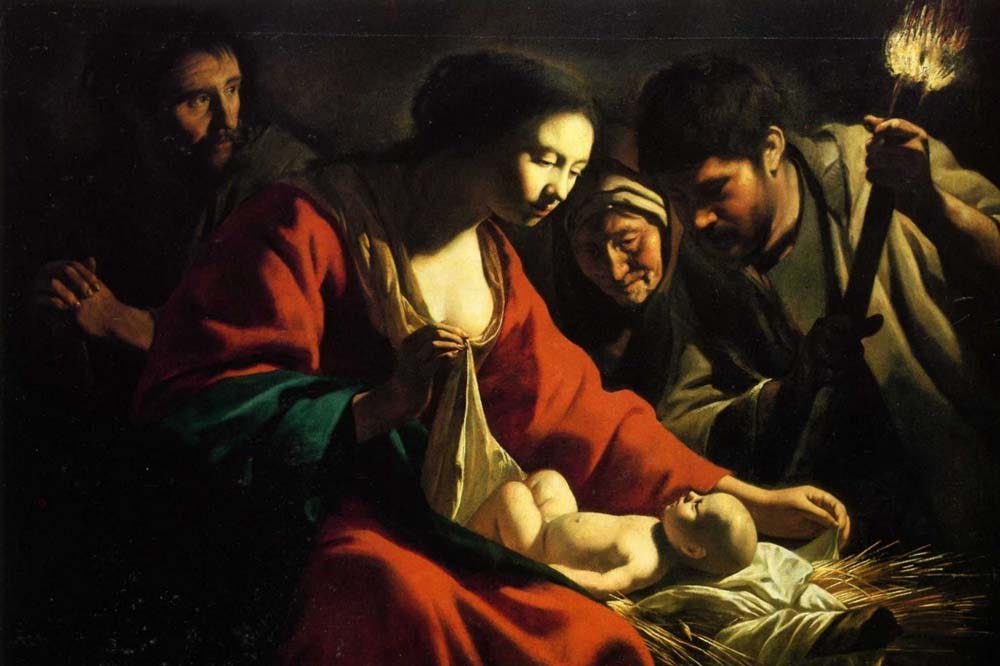
Men, Christmas celebrates not the beginning of the Incarnation, but its revelation. The eternal Word assumed human nature at the Annunciation, when the Son of God was conceived by the Holy Spirit in the womb of the Virgin Mary. At Christmas, that hidden mystery is brought forth into the world. What was accomplished in silence is now made visible in humility at the Nativity.>“The Word became flesh and dwelt among us” (John 1:14). This truth precedes the manger, yet it is at Bethlehem that the Church beholds the Incarnation with her eyes. The Nativity is the manifestation of a reality already accomplished: God has entered human history not symbolically, but bodily, permanently, and irrevocably.>This distinction is essential for the Catholic man. God does not merely appear among us; He commits Himself to our condition. He submits to time, place, family, and law. Christ is born not into abstraction, but into a household, under the authority of Saint Joseph and the care of the Blessed Virgin Mary. The Incarnation sanctifies human nature; the Nativity sanctifies ordinary life.
In a time when the religion of sentiments seeks to replace that of Christ, here is an unsentimental poem on the impact of Christ on human life.>
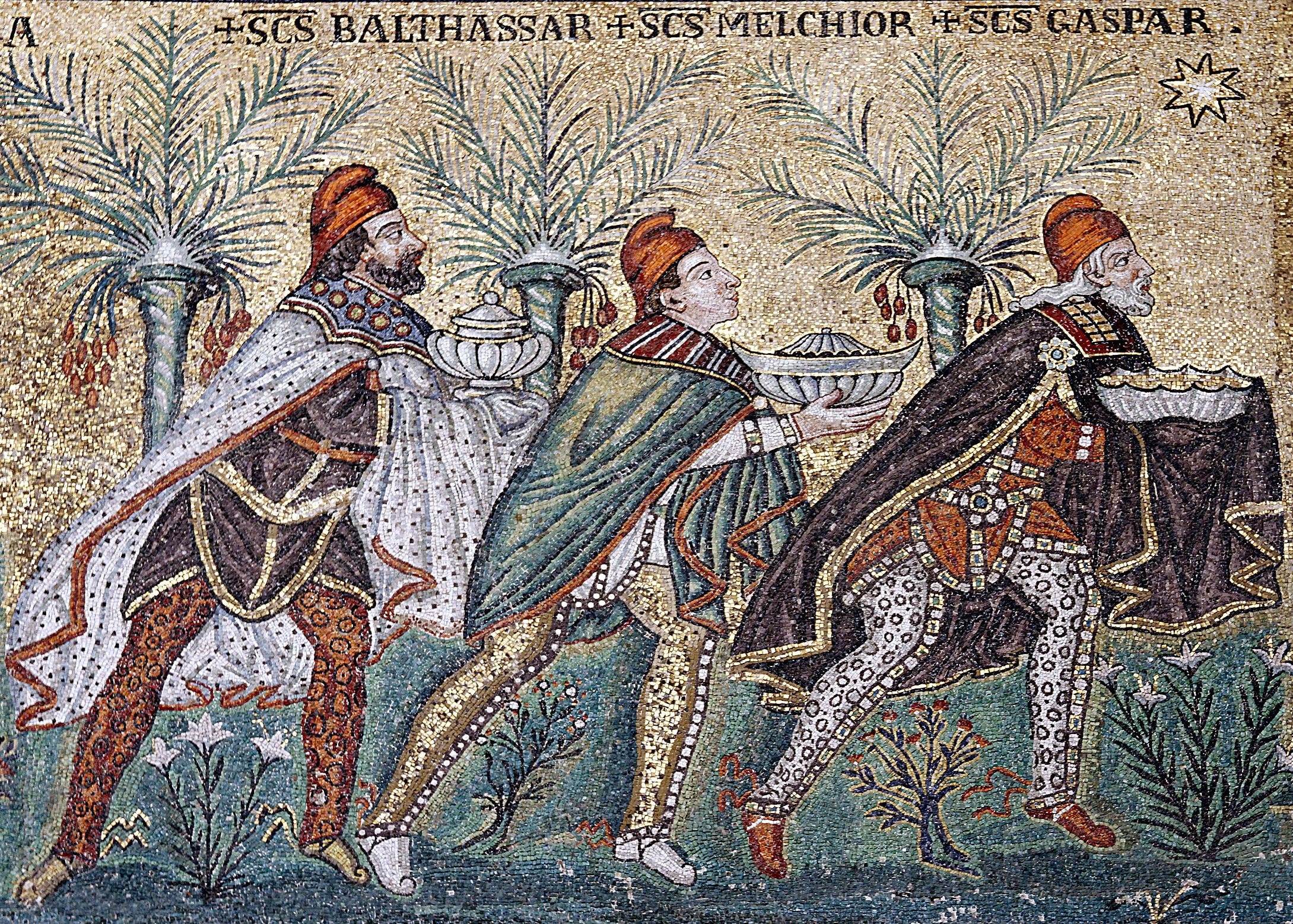
TS Eliot’s Journey of the Magiis not what we might expect, raised on Star of Wonder and nativity plays at school. At its end is not the glow of what has come but what we know has now gone. The last word is “death”. What is going on?>Journey of the Magi is a poem about the terrible beauty of realising that Christ is real.