
Introduction
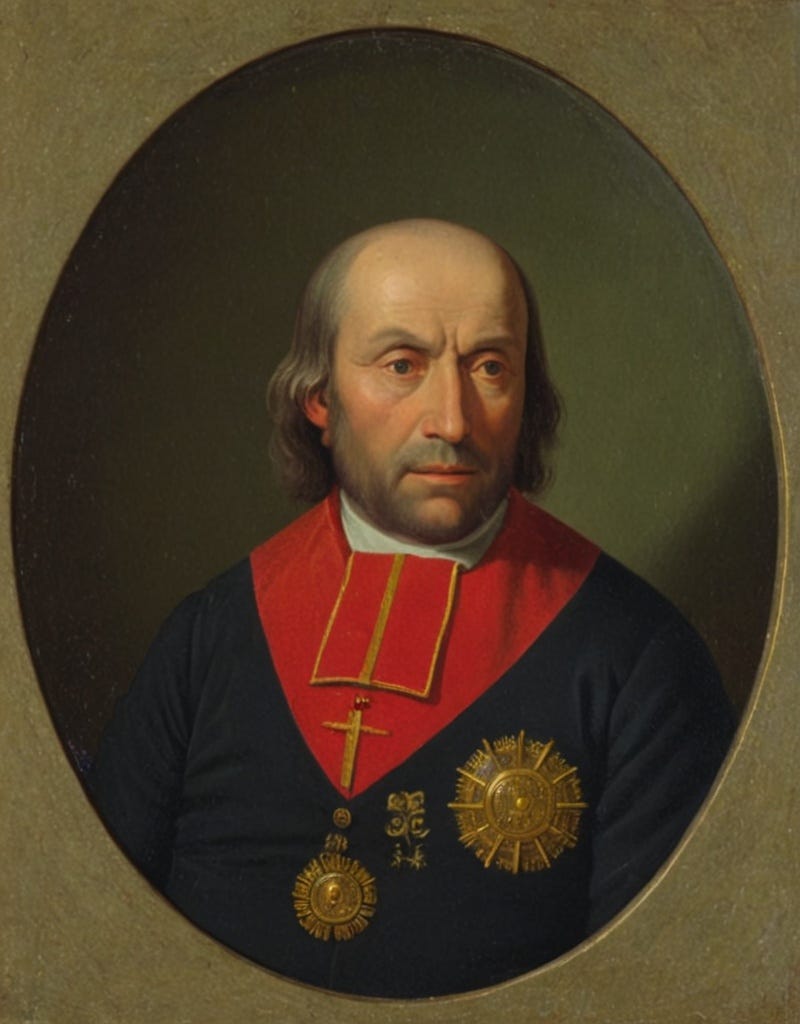
“We hold these truths to be self-evident, that all men are created equal…” reads the second paragraph of the Declaration of Independence, penned in 1776 by the revolutionary, liberal ideologue and prominent Founding Father, Thomas Jefferson. If you were to survey the American public today, likely, not one man in a hundred would be willing to challenge this foundational American dogma, that is the equality doctrine or egalitarianism. A sad situation, yes, but nonetheless true. >This concept of equality, in which no distinction is made between the abstract and concrete, between what is intrinsic to men and what is extrinsic, along with the effects of sin remains one of the primary engines of disorder in our beloved country. Unsurprisingly, the antidote to this equivocal usage of “equality” will be a 19th century French Catholic prelate, Bishop Jean-Baptiste Duvoisin. Bishop Duvoisin, whose biography will be seen below, had the following to say about the French Revolutionaries, who were also keen on egalitarianism:
Originally published in The Journal of American Reform. Read original article